Welcome to my blog!

News from a wargamer with a special interest in the military history of the Balkans. It mainly covers my current reading and wargaming projects. For more detail you can visit the web sites I edit - Balkan Military History and Glasgow & District Wargaming Society. Or follow me on Twitter @Balkan_Dave
or on Mastodon @balkandave@mastodon.scot, or Threads @davewatson1683

Tuesday, 22 July 2025

Moldovan National History Museum - Chisinau

 This is the last museum I visited before heading to the airport. It had some poor reviews, which are unjustified. This is a fine museum by small country standards, in a lovely building.


The Dacians play a significant role in the early period of Moldavian history, and their archaeology is examined. 


This is a fine model of a 10th- to 11th-century fortification.

The weapons hall is the best part of the museum.


Starting with medieval times, the high point of Moldavia was under Stephan the Great.

You would not argue with the guys wielding these maces.


I took numerous photos of the 18th and early 19th-century uniforms and equipment for my current project, as well as a fine collection of battle maps and paintings.


Then the world wars of the 20th century. The later kit is in the military museum.


1917 Moldavian soldier

There is also an excellent bookshop, featuring a wide selection of English language books. Although my wife was not impressed with the trending title! 😂


So, ignore the online reviews; this is definitely worth a visit.


Monday, 21 July 2025

Military Museum, Chisinau

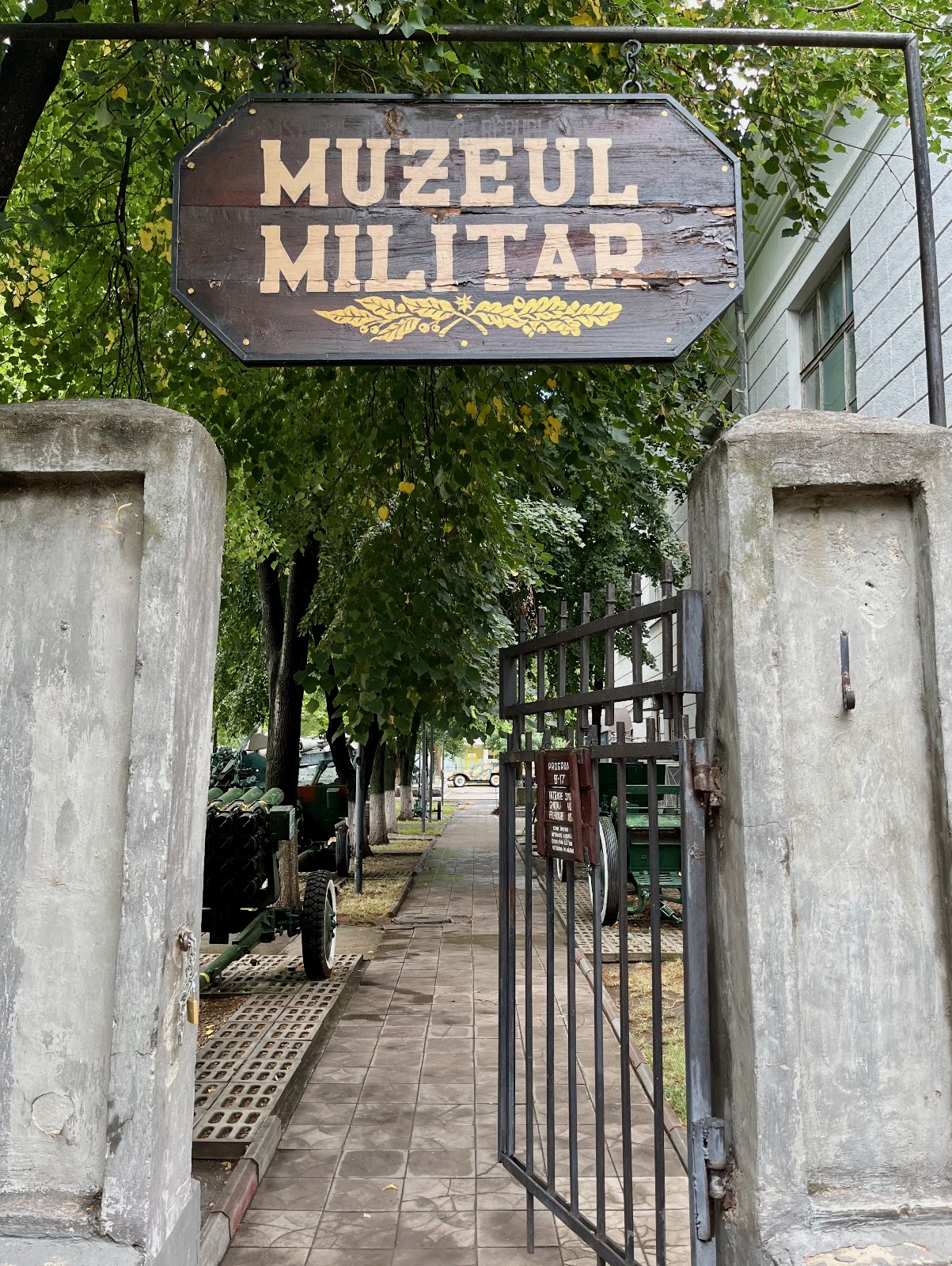
 In my last day in Chisinau, I visited the National Military Museum. It would be described as 'old school' in museum terms, but it features many interesting exhibits. It also opens early at 8am - very military.

Outside the museum, in the garden area, is mostly Soviet era equipment. Almost every artillery piece from the post-war era is here, presumably from the armed forces of the Moldavian Soviet Socialist Republic period.


A few of the rarer ones, to me at least.

1909 122mm howitzer

100mm AA gun 1946
Then the AFVs.
BTR 152

BTR 60

PT-76

T34/85 - No shortage of them in Moldova!

A couple of Mig fighters.


Inside, there is a chronological display, although I needed some assistance from the staff to find the route!


I was excited about this Moldavian Hussar from 1768 war.


Afghanistan is suddenly topical, although this is from the earlier conflict.

And downstairs is the Soviet period, including the darker side.


They also had some very nice battle maps, and period photos, which will come in useful for future projects. Well worth an hour or two of your time.

Thursday, 17 July 2025

Northern Moldova - Soroca

 I drove up to northern Moldova today, primarily to visit the Castle at Soroca. This was one of the string of forts that defended the Dniester River border, initially built for the Moldavian princes and later for the Ottomans. 


It was built by Stephan the Great in 1499 to defend the river crossing. It was strengthened in the following century and saw a couple of epic sieges. It has been beautifully reconstructed, thanks to the EU's assistance.


Ukraine is just across the river; thankfully, it remains peaceful today.


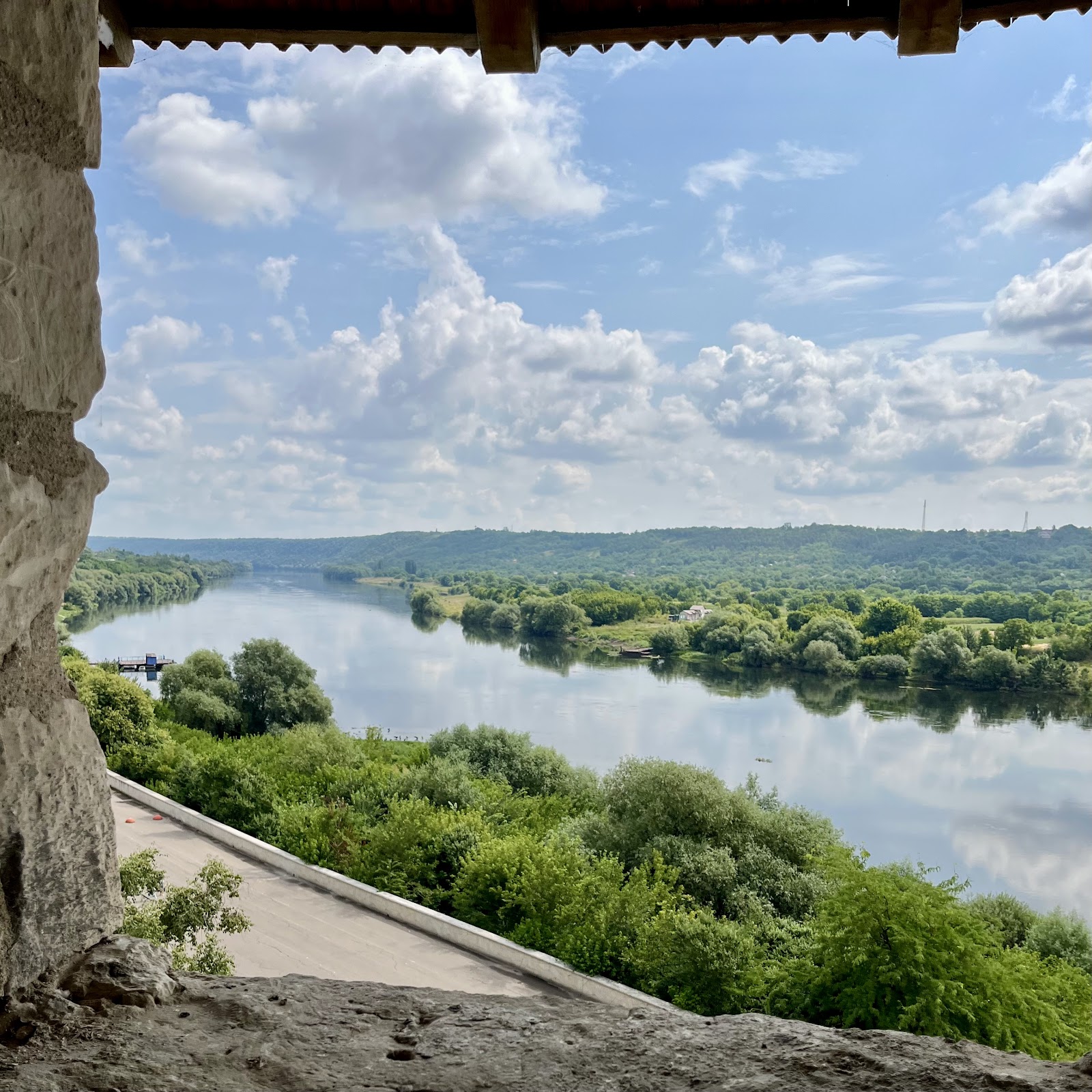
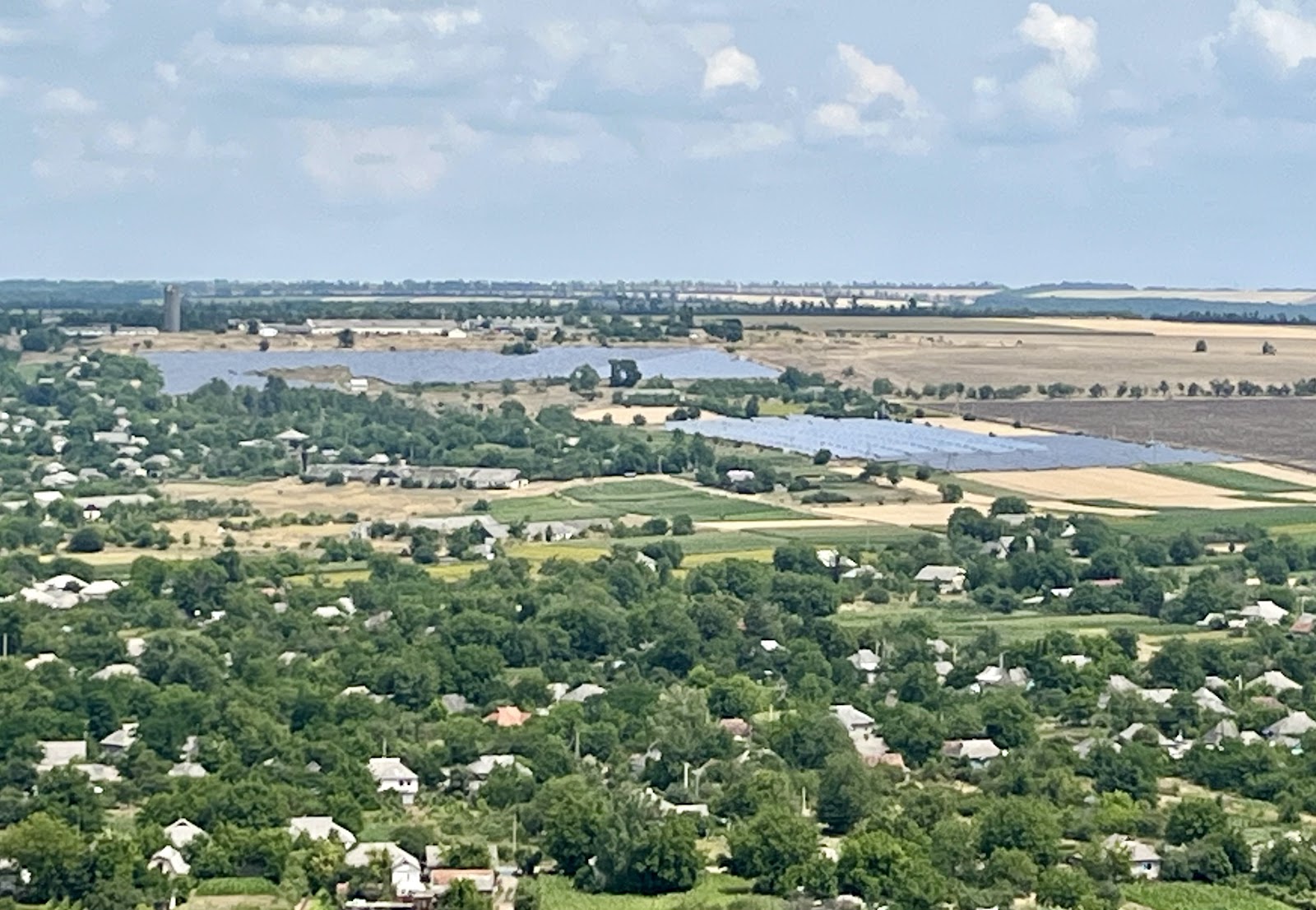
I drove up to a bluff that overlooks the town, which has a church in the shape of a candle. It provides fantastic views, including the Ukrainian village of Tsekynivka, which has a couple of fields with solar panels. A clever way of getting around Putin's bombardment of the power stations. A decentralised grid is helping them keep warm. Not that they needed it today!


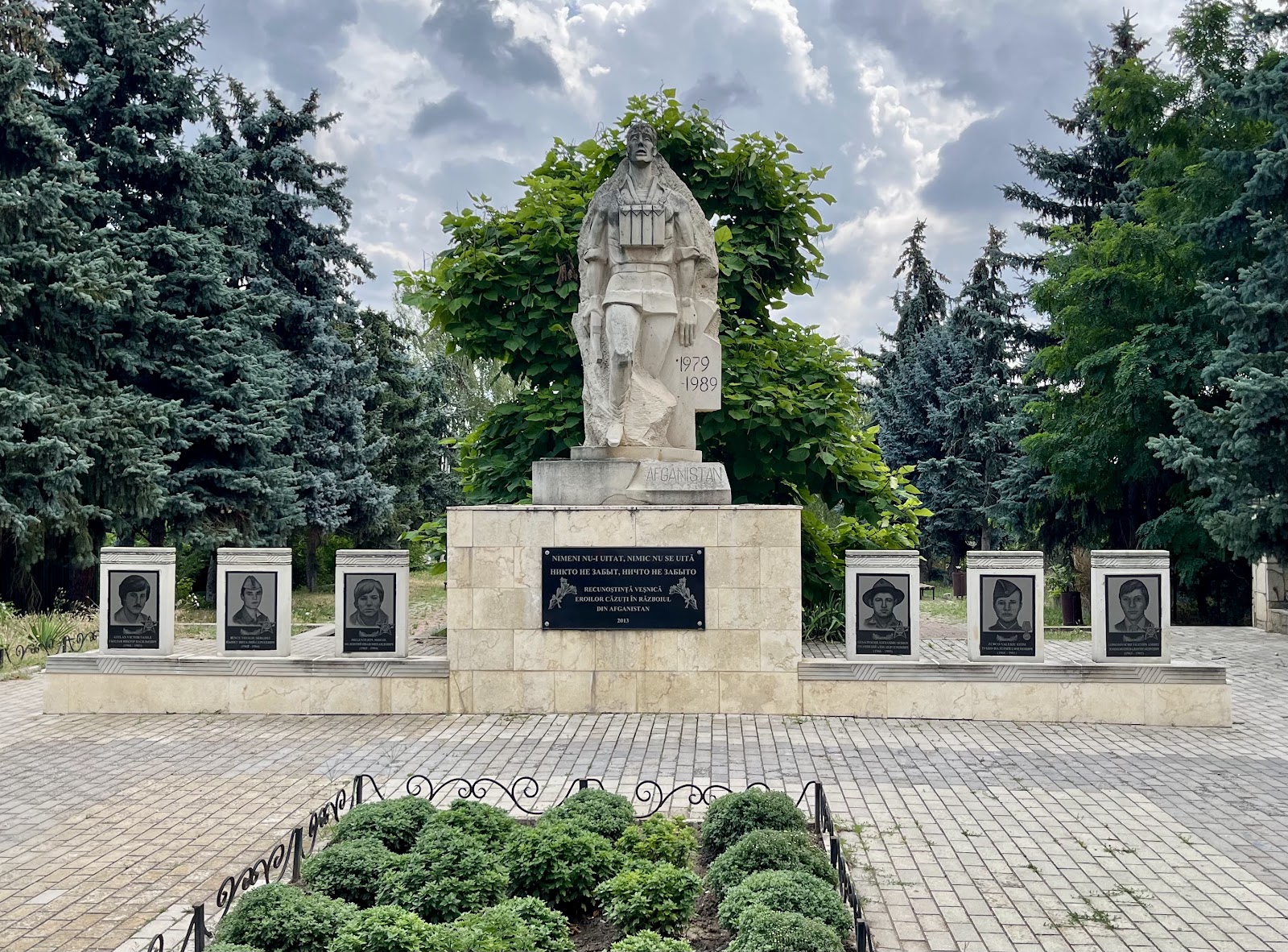
Back in the town, there was a memorial to locals who died in the Soviet era Afghan conflict. Topical given the news in the UK.


In addition to the WW2 memorial, there was one for the 1991-92 Transnistrian conflict in which several locals died. A nice balance to my trip on Tuesday to the other side. I accidentally tried to pay for a souvenir with Transnistrian Rubles, which did not go down well!


The journey took about two and a half hours on decent roads for a change. In 1944, the Red Army stormed across this area in the Jassy–Kishinev offensives. The Russians claim there was only one, but there were two. When you drive through the endless rolling hills, you can see why they cut through the Axis lines so quickly. There are few defensive positions here once you are across the Dniester. Perfect tank country.

Wednesday, 16 July 2025

Southern Moldova

 Day three of my Moldovan trip. I hired a car and headed off to southern Moldova. My primary reason was to visit the site of the Battle of Kagul, fought on 1 August 1770 between the Russians and Ottomans. It was probably the largest battle in the 18th century, but little known in Western Europe. 

The Russian army, commanded by Field Marshal Rumiantsev, was around 40,000 strong. They faced an Ottoman army, commanded by İvazzade Halil Pasha, with around 150,000 troops, although I suspect this number included non-combatants. The Russians advanced in five, possibly six squares, and fought off the Ottoman cavalry. However, the Janissaries broke into two Russian squares before the reserves pushed them back. As the Ottoman forces retreated, they lost around 20,000 men, and more later in a chaotic crossing of the Danube.

There are several 18th-century maps of the battlefield, which, although not to scale, give the impression of rugged terrain. While it's certainly not flat, as one drawing of the battle has it, I would describe it as rolling hills. The battle is named after the river, but most of the smaller rivers in this region are now dry due to agricultural practices. And of course, 200,000 men take up a lot of space, so you can pick and choose when it comes to terrain.

A panoramic view from one of the hills on the Russian right.

The battlefield is marked by a large, if rather weather-worn, monument. Which, without even a noticeboard, will mean very little to visitors. It is just outside the town of Vulcanesti.


In the town, there is a small local history museum. They have paintings and display boards about the battle, along with some equipment found on the site. It also contains a significant amount of information about World War II, including original pictures, letters home, and more. This area was part of the Soviet Union at the start of the war.

This is meant to portray the assault on the Ottoman camp.


Lots of WW2 kit and photos like this. I'll need to do some translation when I get home.


There is a World War II memorial in the town, in a typical Soviet style.


I drove down to the Prut River. It was a bend in the river that the Battle of Larga was fought a few weeks before Kagul. It is challenging to pick the exact spot, as the Larga River wasn't marked on my map and is likely to be dry anyway. The Russians dispersed a mainly Tatar army.

The Prut River is behind the trees.

My last stop was the modern university city of Cahul (Kagul). It was the village of Frumoasa when the battle was fought. They have a fine bust of Suvorov, which is odd as his primary victories were in modern Romania and in the next war. They should have honoured Rumiantsev, who won both of the local battles and was Suvorov's mentor. 


They have an aviation monument overlooking the city with an early MiG fighter - MiG-15, at a guess.


And, no Moldovan town would be complete without a T34 WW2 memorial.